49 Smart Ways to Save Money as a Single Mom on a Tight Budget
Some months it feels like every dollar is gone before payday. Rent, groceries, childcare and monthly bills can stretch one income further than it should.I’ve learned that saving money isn’t about giving up everything you enjoy. It’s about making smarter choices with the money you already have.
This guide shares 49 practical ways to lower everyday expenses, build an emergency fund pay off debt and make your paycheck last longer. Every tip is realistic for single moms who want more financial peace without making life harder.

Why Saving Money Feels Harder for Single Moms
Managing a household on one income comes with real challenges. Every bill, grocery trip and unexpected expense comes from the same paycheck.Prices keep rising while paychecks don’t always keep up. Housing, childcare, healthcare and food can take most of your monthly budget before you save a dollar.
The goal isn’t to live with less forever. It’s to build a budget that supports your family today while creating a stronger future.
The Reality of Living on One Income
Living on one income means every paycheck has a purpose. Rent, groceries, childcare, insurance and utility bills often come before anything else.
The good news is that you don’t need a perfect income to make progress. Better money habits and a simple budget can help you take control one step at a time.
Rising Costs in the U.S.
Everything seems to cost more than it did a few years ago. Grocery prices, rent, childcare and utility bills continue to put pressure on family budgets.When you’re raising kids on one income, even small price increases can make a difference. That’s why finding ways to cut everyday expenses matters more than ever.
Saving money isn’t about being perfect. It’s about making small choices each week that leave more room in your budget at the end of the month.
Why Small Changes Make the Biggest Difference
You don’t have to change your whole lifestyle to save money. A few smart habits can add up over time.
Packing lunch, planning meals, cancelling unused subscriptions and shopping with a list can save hundreds of dollars each year. Small wins build confidence and help you create lasting financial habits.
Build a Budget That Actually Works
Saving money gets easier when you have a plan. A simple budget shows where your paycheck goes and helps you avoid running short before the month ends.
You don’t need fancy spreadsheets or finance skills. Start with your income, list your monthly expenses and give every dollar a purpose. Once you know your numbers, saving becomes much easier.
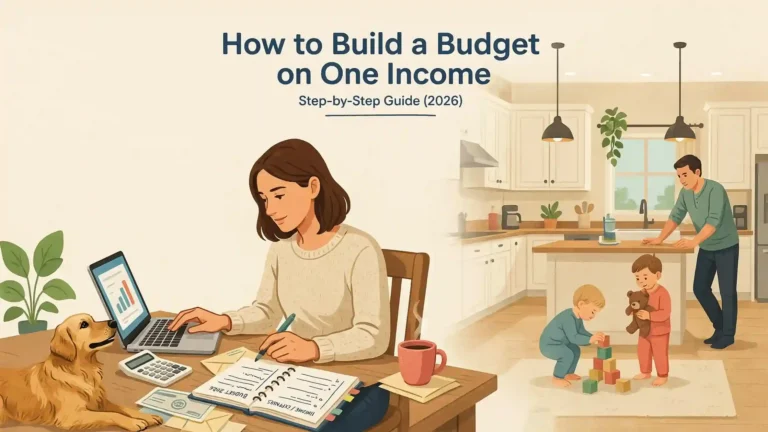
You can read our article on How to Build a Budget on One Income (Step-by-Step Guide for U.S. Households)
Know Where Every Dollar Goes
Before you cut expenses track your spending for one month. Write down every bill, grocery trip and small purchase.
Many people spend more than they realize on everyday extras. Seeing your spending habits makes it easier to spot money leaks and keep more of your paycheck.
Choose a Budgeting Method
The best budget is the one you’ll actually follow. Pick a method that fits your income, bills and daily routine.
Many single moms like the 50/30/20 rule a zero-based budget or the cash envelope system. Try one for a month and adjust it until it works for your family.
Set Realistic Savings Goals
Start with a goal you can reach. Saving even $10 or $20 a week is better than waiting until you can save more.
Focus on one goal at a time. You might build an emergency fund pay off credit card debt or save for back-to-school costs. Small milestones keep you motivated and make saving feel possible.
Build Your First Emergency Fund
Life doesn’t always go as planned. A flat tire medical bill or broken appliance can quickly put your budget under pressure.
Start with a small goal like $500 then work toward one months living expenses. Even a small emergency fund can help you avoid credit card debt when unexpected costs come up.
Budgeting & Money Habits
Strong money habits create a budget that lasts. These small changes help you stay in control of your income reduce stress and keep more money for the things that matter most.
1. Create a Monthly Budget
A monthly budget gives every dollar a job before you spend it. Start with your take-home pay then list fixed bills like rent, utilities, insurance and childcare. Next, add flexible expenses like groceries, gas and household supplies. If money is left over send part of it to savings or debt repayment. A written budget makes it easier to stay on track and avoid surprises.
2. Pay Yourself First
It sounds backward when money feels tight but paying yourself first really works. Move a small amount into savings as soon as your paycheck arrives. Start with whatever fits your budget. Even $10 a week adds up over time. Set up automatic transfers if your bank offers them. You’ll build an emergency fund without thinking about it.
3. Automate Your Savings
Saving gets easier when you don’t have to remember it. Set up an automatic transfer from your checking account to your savings account after each payday. Even a small amount can grow over time. This habit helps you stay consistent and keeps you from spending money you planned to save.
4. Cancel Unused Subscriptions
Small monthly charges are easy to miss. Streaming services, apps and memberships can quietly drain your budget. Review your bank statement every month. Cancel anything you no longer use or need. Keeping just one or two favorites can save hundreds of dollars each year.
5. Track Every Expense
It’s easy to lose track of small purchases. A coffee drive-through meal or online order can add up before you notice. Write down every expense for a few weeks or use a budgeting app. You’ll quickly spot spending habits that leave less room for savings.
6. Set Weekly Spending Limits
A monthly budget can feel hard to manage. Breaking it into weekly limits makes spending easier to control. Decide how much you can spend each week on groceries, gas and everyday needs. If you spend less one week, move the extra money to savings or use it for next week’s budget.
7. Build Sinking Funds
Some expenses don’t happen every month, but you know they’re coming. School supplies, birthdays, holidays and car repairs are common examples. Set aside a little money each month for these costs. When the bill arrives, you’ll already have the cash instead of reaching for a credit card.
8. Review Your Budget Every Month
Your budget should change as your life changes. Rent, grocery prices and family needs won’t stay the same forever. Take a few minutes at the end of each month to review your spending. Adjust your budget, celebrate your progress and set a goal for the month ahead. Small updates help you stay in control without starting over.
9. Avoid Impulse Buying
It’s easy to buy things in the moment, especially online. A quick purchase today can throw off this week’s budget. Before you check out give yourself 24 hours to think about it. If you still need the item tomorrow and it fits your budget buy it without guilt. Otherwise keep the money in your pocket.
10. Try a No-Spend Challenge
A no-spend challenge helps you reset your spending habits. Pick one day, one weekend or even one week to avoid non-essential purchases. Pay your bills and buy groceries if needed, but skip shopping, takeout and impulse buys. You’ll save money and see how many expenses you can live without.
Grocery & Food Savings
Food is one of the easiest places to save money without lowering your family’s quality of life. A few simple habits can reduce your grocery bill while keeping healthy meals on the table.
11. Plan Your Meals Before Shopping
Meal planning saves both time and money. Take a few minutes each week to decide what you’ll cook before heading to the grocery store. Check your pantry first and build meals around what you already have. This helps you buy only what you need and waste less food.
12. Shop With a Grocery List
A grocery list keeps you focused and helps you avoid impulse purchases. Write down everything you need before you leave home. Stick to your list as much as possible. You’ll spend less shop faster and stay within your grocery budget.
13. Choose Store Brands
Many store-brand products taste just as good as national brands. The biggest difference is often the price. Compare the labels and ingredients before you buy. Switching to generic items can save hundreds of dollars over a year.
14. Use Coupons and Cashback Apps
Digital coupons take only a few minutes to use. Cashback apps can also put money back into your pocket after shopping. Apps like Ibotta, Fetch Rewards and Checkout 51 offer rewards on everyday groceries. Stack these with store sales to save even more.
15. Cook More Meals at Home
Restaurant meals and takeout can quickly stretch your budget. Home-cooked meals usually cost much less and often leave leftovers for another day. You don’t need fancy recipes. Simple meals like pasta, soups, tacos or sheet pan dinners can feed the whole family without breaking your budget.
16. Buy in Bulk When It Makes Sense
Buying in bulk isn’t always cheaper. It works best for items your family uses often. Rice, oats, pasta, beans, paper towels and frozen vegetables usually offer better value in larger sizes. Skip bulk deals if food might expire before you use it or prices changing day to day like as it happening during war time between Iran & US.
17. Pack Lunches and Snacks
Packing lunch can save a surprising amount of money each month. The same goes for snacks when you’re running errands or taking kids to activities. Keep simple options ready like sandwiches, fruit, yogurt, nuts or homemade trail mix. A little planning helps you avoid expensive stops for food.
Home & Utility Savings
Keeping your home running doesn’t have to cost a fortune. A few small changes can lower your monthly bills without making your family uncomfortable.
18. Lower Your Electricity Bill
Turn off lights when you leave a room and unplug devices you aren’t using. Switch to LED bulbs if you haven’t already. Small changes like washing clothes in cold water and adjusting your thermostat can reduce your energy bill over time.
19. Use Less Water
Water bills can add up faster than you think. Fix leaking faucets, take shorter showers and run the dishwasher or washing machine only with full loads. These simple habits save water and lower your monthly utility costs.
20. Compare Internet and Phone Plans
You could be paying more than necessary for internet or mobile service. Compare plans once a year and ask your provider about current promotions. Switching providers or choosing a smaller plan can free up extra money each month.
21. Buy Household Supplies on Sale
Stock up on essentials when prices drop. Laundry detergent, toilet paper, paper towels and cleaning supplies often go on sale throughout the year. Buying these items at the right time helps you avoid paying full price later.
22. Make Your Own Cleaning Products
Many homemade cleaners work just as well as store brands. White vinegar, baking soda and dish soap can handle most everyday cleaning jobs. You’ll spend less on cleaning supplies and reduce the number of products under your sink.
23. Lower Heating and Cooling Costs
Heating and air conditioning use a large part of most home energy bills. Keep your thermostat at an efficient setting and seal drafts around doors and windows. Close blinds during hot afternoons and let sunlight warm your home during winter. These small habits can help lower your energy costs year-round.
Shopping Smarter
Shopping with a plan helps you spend less without giving up the things your family needs. A few simple habits can keep more money in your budget every month.
24. Buy Second-Hand First
Not everything needs to be brand new. Thrift stores, consignment shops and online marketplaces like Facebook marketplace often have quality items for much less. Look for furniture, kids’ clothes, toys and home essentials before paying full price.
25. Compare Prices Before You Buy
A few extra minutes can save you real money. Compare prices online or check another store before making a larger purchase like check on eBay and Amazon both. Many retailers also match competitors’ prices so don’t be afraid to ask.
26. Join Store Loyalty Programs
Most grocery and retail stores offer free rewards programs. Members often receive lower prices, digital coupons and exclusive discounts. Sign up for the stores you visit most often and take advantage of the savings.
27. Wait Before Buying Non-Essentials
If something isn’t a need don’t buy it right away. Give yourself at least 24 hours before making the purchase. You’ll often realize you don’t need it after all. That simple pause can protect your budget from impulse spending.
28. Shop End-of-Season Sales
Retailers usually clear out seasonal items at deep discounts. That’s a great time to buy clothes, holiday decorations and outdoor gear. Planning ahead lets you save money without paying full price later.
29. Sell Things You No Longer Use
Take a look around your home. Clothes, baby gear, toys and small furniture can quickly turn into extra cash. Sell unwanted items through Facebook Marketplace, eBay or local community groups or WhatsApp selling groups in your own community. Use the money to build your emergency fund or pay down debt.
Transportation Savings
Getting around is a daily expense for many single moms. A few smart choices can lower fuel, insurance and repair costs without changing your routine too much.
30. Drive Smarter to Save on Gas
Combine errands into one trip instead of making several drives each week. Avoid hard braking and rapid acceleration because they use more fuel. Keeping your tires properly inflated can also improve gas mileage and help them last longer.
31. Compare Car Insurance Every Year
Insurance rates change often. Getting new quotes once a year could lower your premium without reducing your coverage. Ask about safe driver, multi-policy or low-mileage discounts. A few questions could save you hundreds of dollars each year.
32. Keep Up With Basic Car Maintenance
Routine maintenance costs less than major repairs. Change the oil on time, replace air filters and check your tires regularly. Taking care of your car now can help you avoid expensive repair bills later.
33. Share Rides When It Makes Sense
If something isn’t a need don’t buy it right away. Give yourself at least 24 hours before making the purchase. You’ll often realize you don’t need it after all. That simple pause can protect your budget from impulse spending.
Kids & Family Savings
Raising kids comes with extra expenses but you don’t have to spend a fortune. A little planning can help your family enjoy more while spending less.
34. Visit Your Local Library
Your local library offers much more than books. Many libraries provide free story time, movies, museum passes, classes and digital resources. It’s an easy way to keep kids entertained without spending money.
35. Find Free Family Activities
You don’t need expensive outings to make great memories. Parks, hiking trails, community events and local festivals often cost little or nothing. Check your city’s website or community calendar for free activities near you.
36. Buy Second-Hand Kids’ Clothes
Children grow fast so buying everything new can strain your budget. Gently used clothes often look brand new and cost much less. Visit thrift stores, consignment shops or neighborhood resale groups before shopping at retail stores. This may be not fit to all moms so you may have your own point of view on it.
37. Swap Toys and Baby Gear
Instead of buying everything yourself swap items with friends or other parents. Toys, books, baby gear and seasonal clothes usually have plenty of life left. This helps everyone save money while reducing waste.
38. Celebrate on a Budget
A meaningful birthday doesn’t need an expensive party. Plan a celebration at home, visit a local park or host a simple movie night with close friends. Kids usually remember the fun, not how much you spent.
39. Save on School Supplies
Take inventory before shopping for school supplies. You may already have notebooks, pencils or backpacks at home. Watch for back-to-school sales and compare prices between stores. Buying only what your child needs keeps your budget on track.
Debt, Banking & Credit
Managing debt can feel stressful but every small payment moves you closer to financial freedom. These habits can help you save money, protect your credit score and keep more of your paycheck.
40. Pay Off High-Interest Debt First
High-interest credit cards cost you money every month. Pay more than the minimum whenever you can. Focus on the card with the highest interest rate first while making minimum payments on the rest. You’ll reduce interest charges and become debt-free sooner.
41. Avoid Overdraft Fees
Overdraft fees can quickly eat into your budget. Keep an eye on your account balance and turn on low-balance alerts through your bank. If your bank offers overdraft protection, review the terms before enrolling. Avoiding one fee is an easy way to keep more money.
42. Open a High-Yield Savings Account
A high-yield savings account helps your money grow faster than a traditional savings account. Many online banks also charge fewer fees. Compare interest rates, minimum balance requirements and account features before opening one. Even small savings can earn extra interest over time.
43. Build a Strong Credit Score
A good credit score can help you qualify for lower interest rates on loans, credit cards and insurance. Pay your bills on time keep credit card balances low and check your credit report regularly for errors. Good credit saves money in the long run.
44. Negotiate Your Monthly Bills
Many companies will lower your bill if you ask. Call your internet, phone, cable or insurance provider and ask about discounts or current promotions. A short phone call could reduce your monthly expenses without changing the services you use.
Increase Your Income
Cutting expenses helps but earning more can create extra breathing room in your budget. Even a few hundred dollars each month can help you pay off debt, build savings or cover unexpected expenses.
45. Start a Flexible Side Hustle
Choose a side hustle that fits around your family’s schedule. Freelancing, pet sitting, babysitting, food delivery or virtual assistance can bring in extra income without working full time. Start small and focus on something you enjoy or already know how to do.
46. Sell Digital Products
If you’re creative turn your skills into passive income. Budget planners, printable calendars, meal planners and digital templates can sell for months after you create them. Platforms like Etsy make it easy to reach buyers without managing inventory.
47. Work From Home
Remote jobs give many single moms more flexibility. Customer service, data entry, bookkeeping, writing and virtual assistant work are common options. Look for legitimate jobs on trusted websites and avoid listings that ask for upfront fees.
48. Ask for a Raise or Find Better Opportunities
If you’ve taken on more responsibility at work it may be time to ask for a raise. Prepare examples of your contributions and schedule a conversation with your manager. If your income hasn’t grown in years, updating your resume and exploring new opportunities could lead to better pay.
49. Claim Every Benefit You Qualify For
Many families miss out on programs that can ease financial pressure. Check whether you qualify for benefits like SNAP, WIC the Earned Income Tax Credit (EITC) or the Child Tax Credit. These programs exist to support working families and can leave more money in your monthly budget.
Government Programs That Can Help Single Moms
If money feels tight don’t overlook the programs designed to support families. They can reduce everyday expenses and free up room in your budget.
SNAP
The Supplemental Nutrition Assistance Program helps eligible families buy groceries each month. Benefits are loaded onto an EBT card that works like a debit card.
WIC
The Special Supplemental Nutrition Program for Women, Infants and Children provides healthy food, nutrition support and breastfeeding resources for eligible mothers and young children.
Medicaid
Offers low-cost or free health coverage for eligible adults and children. Coverage varies by state, so check your local requirements.
Child Tax Credit
May reduce the amount of federal tax you owe. Depending on current tax rules, eligible families may also receive part of the credit as a refund.
Earned Income Tax Credit (EITC)
Helps many working families with low to moderate incomes. The amount depends on your income, filing status and number of qualifying children.
TANF
Temporary Assistance for Needy Families provides temporary financial help and employment support for eligible families while they work toward greater financial stability.
Housing Assistance
Federal, state and local programs may help lower housing costs through rental assistance or housing vouchers. Availability depends on where you live.
Childcare Assistance
Many states offer childcare assistance for working parents and students. Lower childcare costs can make it easier to work study or increase your income.
Free Resources Every Single Mom Should Use
You don’t have to figure everything out alone. Many free resources can help you save money reduce stress and make everyday life a little easier.
Public Libraries
Your local library offers more than books. Many locations provide free Wi-Fi, homework help, job search support, digital books, audiobooks and family events.
Buy Nothing Groups
Let neighbors give away items they no longer need. You can often find clothes, toys, furniture, kitchen items and baby gear for free.
Facebook Marketplace
Not just for buying. It’s also a great place to sell items you no longer use or find affordable second-hand furniture, strollers and home essentials. I sold my e-bike around $600 few days back on Facebook Marketplace.
Community Food Banks
Can help during difficult months. Many also provide diapers, hygiene products and information about local support programs.
Local Nonprofits
Many organizations help with childcare, school supplies, career training and emergency assistance. Search your city or county website to see what’s available near you.
Free Financial Counseling
If you’re struggling with debt or budgeting, look for a nonprofit credit counseling agency. A certified counselor can help you create a realistic budget and build a plan to improve your finances.
If you’re a single mom and need budgeting help or just someone to talk to feel free to message me. 💛 It’s completely free. You can share your worries, struggles or anything on your mind. I will do my best to help and I will also share useful resources from my WhatsApp channel and groups whenever I find something that may help.
Frequently Asked Questions
How can a single mom save money fast?
Start by tracking your spending and creating a simple budget. Cut unused subscriptions, plan your meals, cook at home and use cashback apps for groceries. Small changes can save hundreds of dollars over a year.
How much should a single mom save each month?
Save what your budget allows even if it’s only $20 or $50 a month. Building the habit matters more than the amount. Increase your savings as your income grows or your expenses go down.
Which budgeting app is best for beginners?
EveryDollar is easy to use if you’re new to budgeting. If you want more control over every dollar, YNAB (You Need A Budget) is another excellent option.