
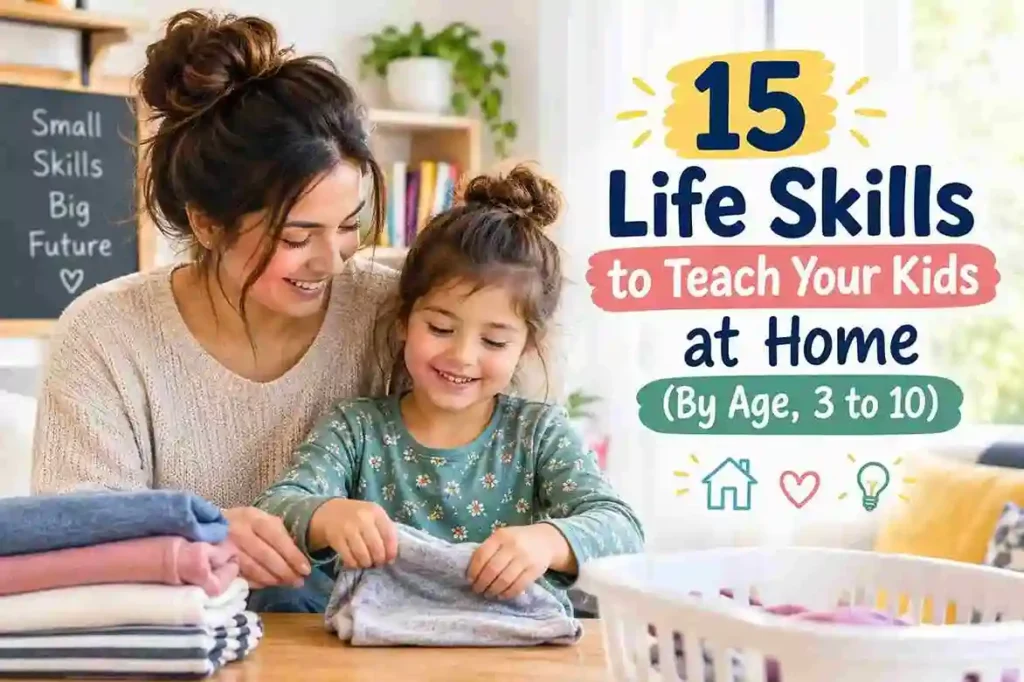
15 Life Skills to Teach Your Kids at Home (By Age 3 to 10)
Nobody hands you a manual when you become a mom. You figure out feeding schedules, bedtime routines and eventually homework on your own usually at 11pm with a cold cup of coffee. Life skills are the same way. Nobody tells you exactly when your kid should be able to make their own sandwich or start managing an allowance, so most of us guess.
I did too until I sat down and mapped out what Emma and Jason should actually be able to do at their ages. It turns out there is a fairly clear progression and once you see it, it takes the guesswork out of parenting a little.
Why Life Skills Matter More Than You Think
A child who can dress themselves, pack their own bag or make a snack isn’t just saving you time in the morning, though that matters too. Kids who practice real tasks at home build confidence that shows up everywhere else, at school, with friends and later on their own.

Research on child development consistently points to the same thing. Kids who take on age-appropriate responsibility early tend to become more capable and more resilient adults. Grades matter but so does knowing how to fold laundry count change or calm down after a bad day.
Life Skills for Ages 3 to 4
At this age kids want to help even when helping slows everything down. Let them. The goal isn’t perfection, it’s building the habit of trying.
1. Dressing Themselves
Start with clothes that are easy to manage, elastic waistbands, loose shirts, shoes without laces. Let your child pick between two outfits so they feel in control without turning it into a 20 minute negotiation. It will be slow at first. It gets faster fast.
2. Putting Toys Away After Playtime
Turn cleanup into part of the routine not a punishment. Low bins with simple picture labels work better than one giant toy box, because a 3 year old can actually sort things into categories they understand. If your space is tight, a few smart storage swaps make this a lot easier to maintain, and I go into more of that in my post on small space organization for single moms.
3. Washing Hands and Brushing Teeth With Help
These are the first real hygiene habits your child owns. Let them hold the toothbrush while you guide their hand and make handwashing a short song so they actually scrub for the full time instead of a quick rinse and run.
4. Using Basic Manners
“Please” and “thank you” become automatic when they hear it from you constantly, not when you remind them to say it. Kids this age copy what they see far more than what they’re told, so the fastest way to teach manners is to model them out loud, every single time.
5. Asking for Help With Words Instead of Tantrums
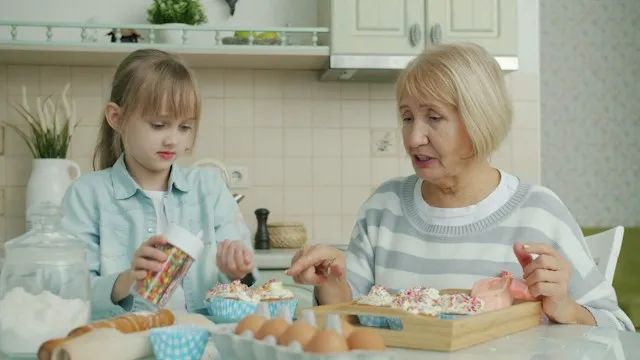
This is less about chores and more about communication. When your child can say “I need help” instead of melting down everyone’s day gets easier. Practice by naming feelings during calm moments, not just in the middle of a meltdown, so the words are already there when they need them.
Life Skills for Ages 5 to 6
This is the age where kids start feeling genuinely proud of contributing. Give them real jobs, not busywork and they will surprise you.
6. Making Their Bed and Tidying Their Room
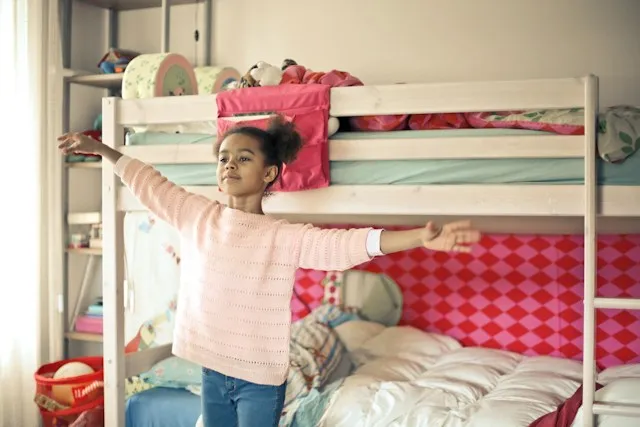
It won’t be perfectly square. That’s fine. The habit matters more than the outcome at this stage. Break it into two or three steps, pull up the blanket, arrange the pillow and let them check it off themselves.
7. Helping Set and Clear the Table
Give them one consistent job, placing napkins, setting cups or clearing their own plate after meals. Consistency is what turns this into a habit instead of something you have to ask for every night.
8. Learning Their Full Name, Address and a Phone Number
This is a safety skill as much as a life skill. Practice it the same way you’d practice a spelling word, a little bit, often, until it sticks without them having to think hard about it.
9. Identifying Basic Money and Understanding It Has Value
Kids this age start to understand that coins and bills can be traded for things they want. Let them hold real money during a small purchase, a snack at the store a coin for a gumball machine, so the concept feels concrete instead of abstract.
10. Getting Dressed Independently, Including Zippers and Buttons
By now most kids can manage the whole process without help, including the fiddly parts. Give them clothing with bigger fasteners at first so they build the fine motor skill before tackling smaller buttons.
Life Skills for Ages 7 to 8
Around this age kids can start connecting actions to consequences, which opens the door to real responsibility and a bit more independence in the kitchen and around the house.
11. Packing Their Own School Bag
A simple checklist taped inside their bag or on their door works better than you double checking it every morning. It shifts the responsibility to them and quietly cuts a chunk of stress out of your school-day routine which pairs well with a realistic morning routine that doesn’t rely on you doing everything.
12. Making a Simple Snack or Meal
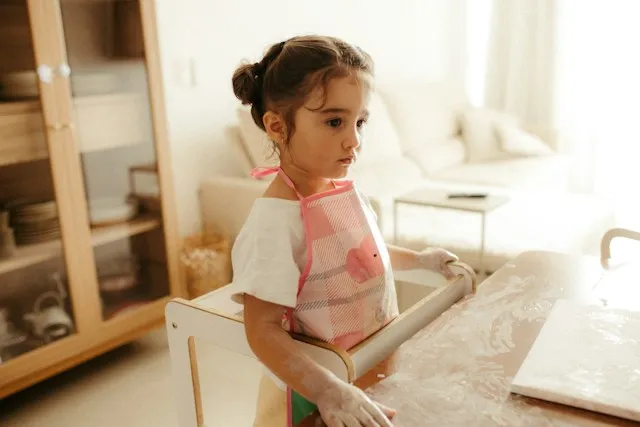
A sandwich, cereal or toast with supervision on anything involving heat. This is the foundation for real cooking later and kids genuinely enjoy the independence of feeding themselves something they made.
13. Managing a Small Allowance
Even a dollar or two a week teaches saving spending and the difference between something they want right now and something they’re saving up for. If you’re already working on your own budget at home, this is a natural moment to talk about it in kid terms. I break down a full system in my post on building a budget on one income and some of those same habits, like sorting needs from wants, translate surprisingly well to an 8 year old.
14. Keeping Up With Personal Hygiene Without Reminders
Bathing, brushing teeth and combing hair should start becoming routine rather than something you have to prompt every day. A visual checklist on the bathroom mirror helps more than a verbal reminder at this age.
Life Skills for Ages 9 to 10
This is the stretch right before the tween years and kids at this age can genuinely handle more than most parents give them credit for.
15. Doing Basic Laundry and Simple Cooking With Supervision
Sorting laundry by color, measuring detergent and running the machine are all manageable with guidance. In the kitchen, boiling water, cracking an egg or making scrambled eggs under supervision builds real confidence. Both skills reduce your daily load while giving your child something to genuinely take pride in and once they’ve got the basics folding their own clean laundry is often the next natural step.
A Few Things That Make This Easier
Teaching life skills at home rarely goes in a straight line. Some days your kid nails it, other days they refuse to do anything you ask. A few things that help:
Expect mess and slowness at first. A 4 year old folding a shirt takes five times longer than you doing it yourself. That’s the whole point. Speed comes later.
Use routine charts instead of constant reminders. A simple visual checklist on the fridge or bathroom mirror does the reminding for you which cuts down on nagging and arguments.
Let natural consequences teach, when it’s safe to. If they forget their packed lunch after being responsible for it, that’s a better lesson than you rushing it to school every time.
Match the task to the kid, not just the age. Every child develops at a different pace. These age ranges are a starting point not a strict rulebook so adjust based on what your child is actually ready for.