Can 10 Minutes of Exercise Help You Sleep Better? (A Single Mom’s Guide)
More than 1 in 3 American adults don’t get the 7 hours of sleep the CDC recommends. If you’re raising kids alone I’d bet you’re in that group and a 45-minute gym session isn’t happening.
So here’s the short answer. Yes, 10 minutes can help. It won’t fix everything, and I’ll tell you where it falls short.

What the Research Says About 10 Minutes
The study everyone is sharing comes from the University of Texas at Austin, published in 2025 in the Journal of Physical Activity & Health. Researchers followed students who wore Fitbits for several months. People who exercised more often got more deep, restorative sleep, and as little as 10 minutes a day of moderate to vigorous activity made a difference.
That study has limits. The participants were college students, not moms juggling work and pickups, and it shows a link, not proof. Still, it fits older findings.
The CDC says even a 10-minute walk improves sleep. A separate analysis of more than 155,000 adults in a CDC survey found that people who exercised at all in the past month were one third less likely to report sleep problems.
Here’s the honest part. Reviews of the research find that longer sessions help more than shorter ones, and the effect is small to moderate. Ten minutes is a real start. It isn’t a cure.
Why It Might Help
Researchers point to a few things. Exercise may ease stress, and stress is often what’s behind a 3 a.m. wake-up. Moving during the day may also help your body keep a steadier sleep and wake rhythm.
Daylight matters too. The CDC suggests getting natural light earlier in the day and tells people to try a morning or lunchtime walk. If your 10 minutes happens outside, you get both.
One number makes this feel less pointless. Ten minutes a day adds up to 70 minutes a week. That is about half of the 150 minutes the CDC recommends for adults, and you got there without a gym membership.
What “Moderate” Actually Feels Like
The Texas researchers defined moderate to vigorous activity as something that raises your breathing but still lets you talk. They put it at about a 6 on a 10 point effort scale. You should feel it, but you shouldn’t be gasping.
They also found that lighter movement, like walking and standing breaks, was linked to better sleep and next-day mood. So a slow day still counts.
4 Ways to Fit In 10 Minutes
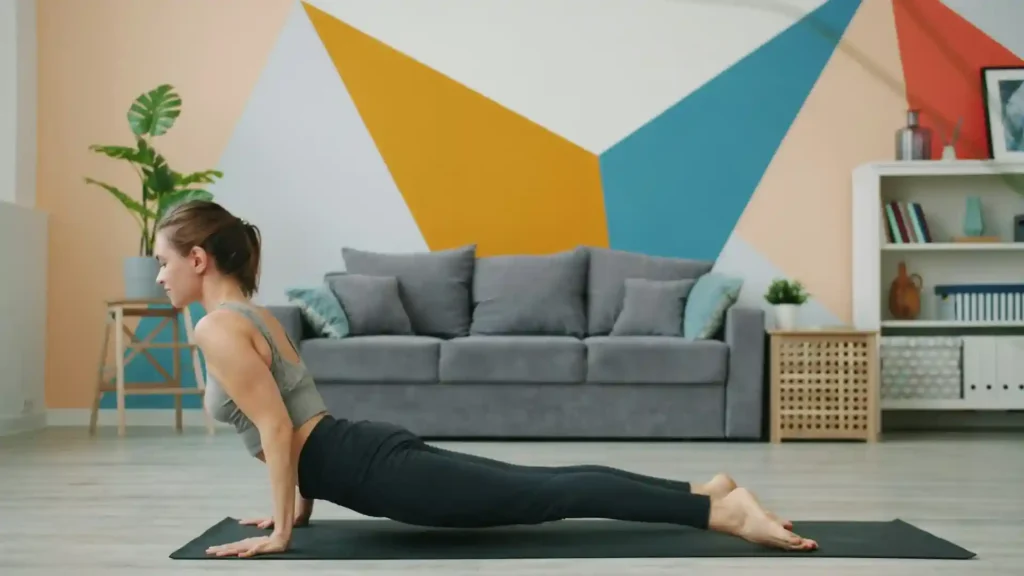
- Walk after drop-off. Park a little farther away, or walk the last 10 minutes of school drop-off. You get movement and morning light in one go, which is why this is my first pick.
- Dance while dinner cooks. Put on one or two songs and move around the kitchen. Kids tend to join in, and if you’re breathing a little harder, it counts.
- Move while they do homework. Walk laps around the house, take the stairs a few times, or do squats at the counter. You’re still in the room if they need you.
- Take an easy walk after dinner. Bring the kids, a stroller or the dog. It’s low effort, it’s outside, and it gives you a few quiet minutes to talk. If you want more small ways to connect with your kids, I wrote up 11 super easy ways to bond with your kids.
When to Move
The CDC’s work-hours guidance and the Sleep Foundation both suggest finishing hard exercise at least 3 hours before bed. A large research review found that evening exercise generally doesn’t hurt sleep, with one exception: vigorous workouts within an hour of bedtime may make it harder to fall asleep.
So if 9 p.m. is the only time you have, keep it gentle. An easy walk or some stretching is fine. Save the hard stuff for earlier in the day.
What 10 Minutes Won’t Fix
A review of 22 randomized trials found that exercise mostly improved how rested people felt, rather than what sleep trackers measured. That still matters since feeling rested is the point. But don’t expect a miracle.
A spokesperson for the American Academy of Sleep Medicine put it plainly: exercise alone is unlikely to correct a sleep problem. A toddler who wakes you three times a night, a racing mind, or a full plate can undo a lot of good work.
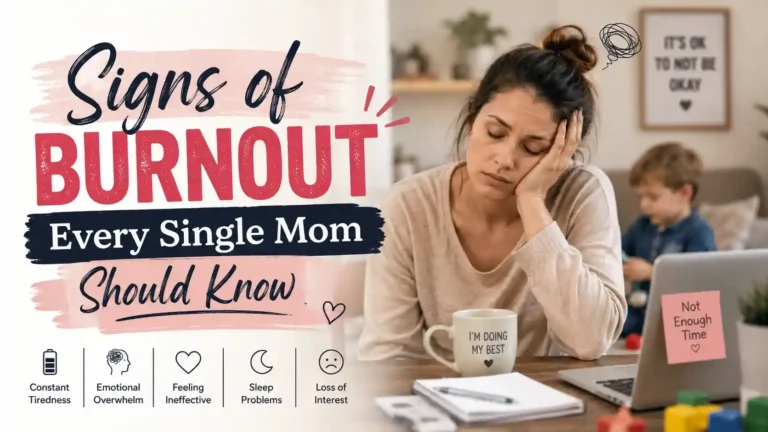
If you’re tired even after a full night, it may not be about sleep at all. Burnout can look exactly like that, and I broke down 12 signs of burnout every single mom should know if that sounds familiar.
I’m not a doctor, so please talk to one if this goes on. The National Heart, Lung, and Blood Institute says trouble falling or staying asleep at least 3 nights a week for 3 months or more is considered chronic insomnia. Loud snoring or waking up gasping for air is also worth mentioning to a doctor.
Start With One Walk
Don’t build a routine this week. Pick one 10 minute window tomorrow, go outside, and see how you feel that night.
If it helps, great. Do it again. If you need more ideas for small moments that recharge you my list of 21 self-care ideas for single moms is built for schedules with no room to spare.