15 Small Space Organization Ideas for Single Moms 2026
When you’re raising two kids and working full-time as a teacher keeping a small home organized can feel like a never-ending job. There are backpacks by the door, shoes that somehow end up in the living room and school papers that seem to multiply overnight. Add toys, laundry and everything else a family needs and even a tidy room can get crowded fast.
I have learned that a small home doesn’t need more stuff to organize it. It needs simple systems that are easy to use and easy to maintain. The best storage ideas are the ones that save time make everyday items easy to find and give the kids a place for their own things.
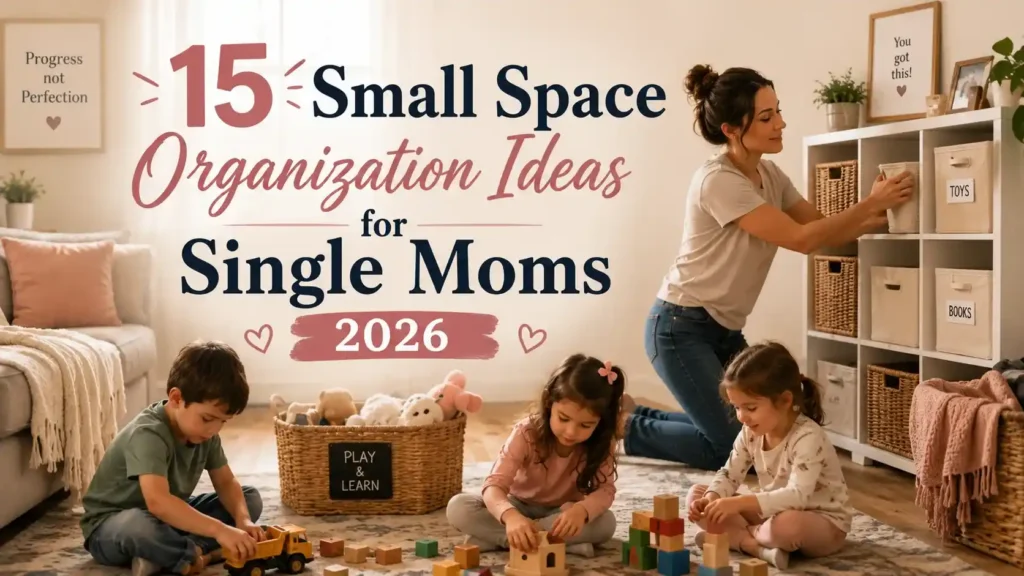
You also don’t need to spend a lot of money on matching containers or expensive furniture. A few smart changes can make a surprising difference.
1. Create a Drop Zone for Backpacks, Shoes and Everyday Items
The area near the door can become cluttered quickly when you have kids. Give backpacks, shoes, jackets and lunch bags a specific place instead of letting them spread around the house.
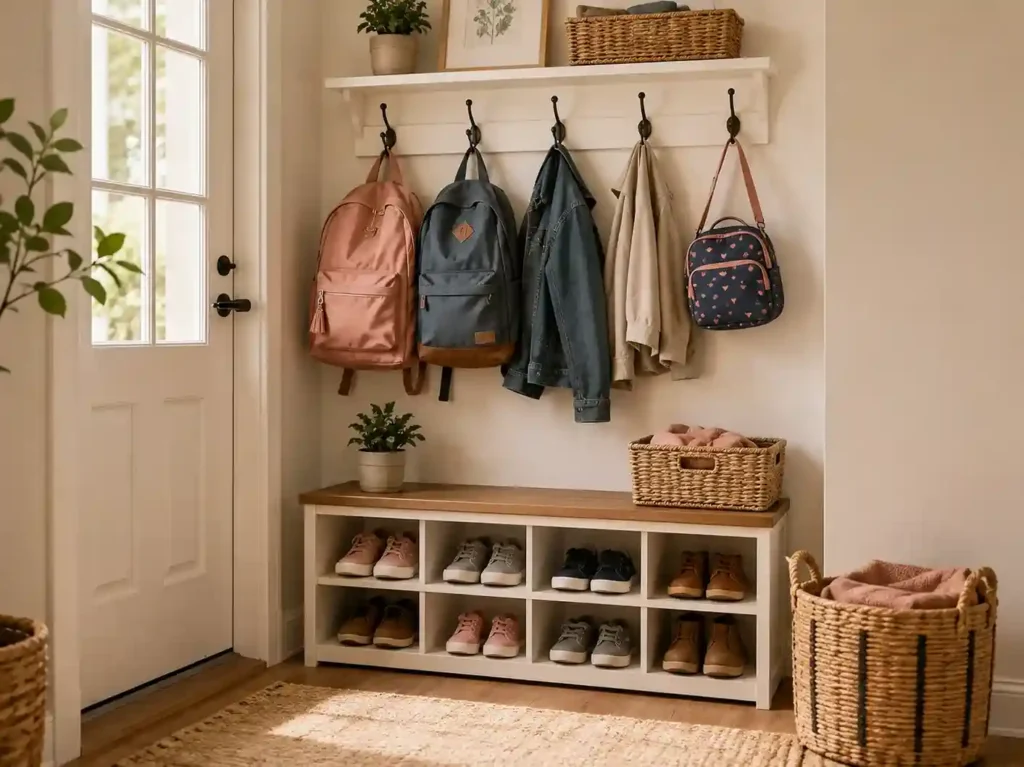
A few wall hooks can hold backpacks and jackets while a small basket or shoe rack keeps footwear contained. Even a narrow shelf with hooks underneath can work in a tiny entryway. Keep the system simple enough for your kids to use without help.
2. Use Vertical Space When Floor Space Is Limited
When you don’t have much floor space, look up. Empty walls can hold shelves, hooks, pegboards and other organizers without taking away valuable walking space.
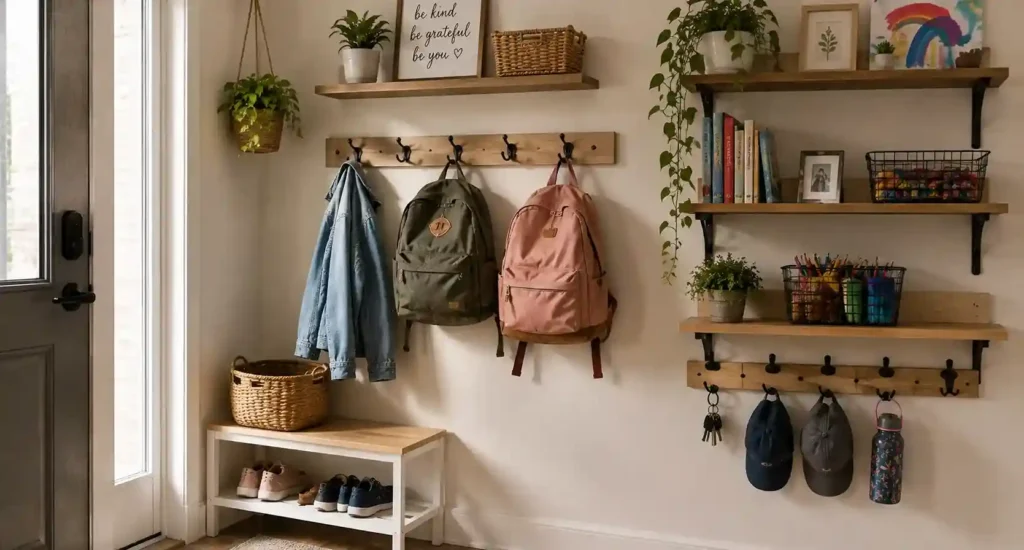
Use vertical storage for things your family reaches for often such as books, backpacks, craft supplies and everyday essentials. Keep the items kids use most at their height.
3. Turn Doors and Forgotten Spaces Into Storage
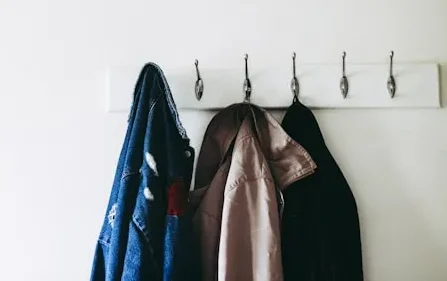
In a small home, doors and narrow gaps can become useful storage without taking up floor space. Try over-the-door organizers, hooks or hanging pockets for items you need to keep within reach.
Use a pantry door for snacks or kitchen supplies and a bathroom door for toiletries. Closet doors can hold shoes, accessories or small items that usually end up scattered around.
4. Give Kids a Simple Storage System They Can Use
Kids are much more likely to put things away when storage is simple. Use open baskets, cube bins or low shelves so they can reach their toys and books without asking for help.
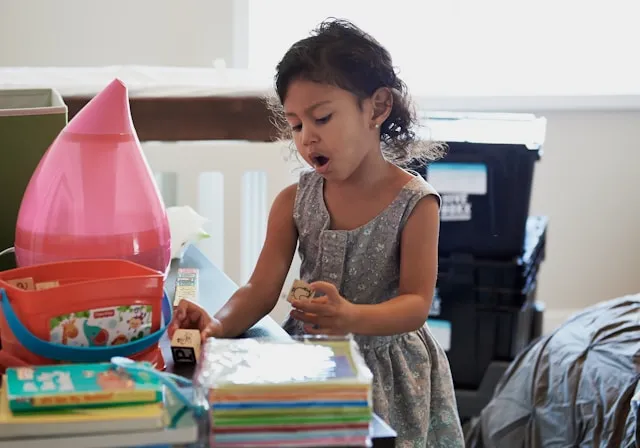
Give each type of item a clear home. One bin for cars, another for stuffed animals and a shelf for books can be enough.
Don’t make the system too complicated. If putting a toy away takes more effort than getting it out, the system probably won’t last.
5. Rotate Toys Instead of Storing Everything
You don’t need every toy out at the same time. Keep a smaller selection available and store the rest in a closet or under the bed.
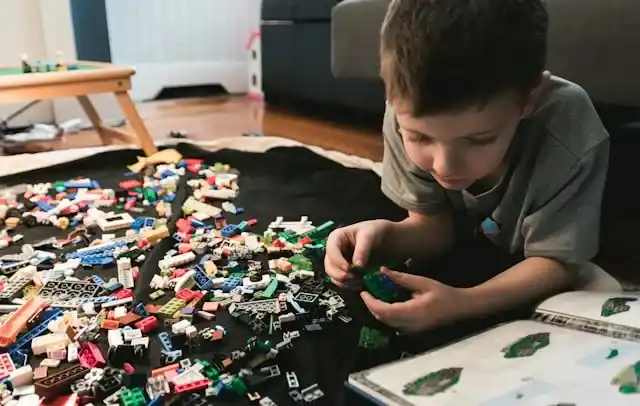
Every few weeks swap some toys around. This keeps the play area less crowded and can make old toys feel new again.
Toy rotation also means less to clean up at the end of the day. For a busy mom fewer toys on the floor can make a big difference.
6. Make the Most of Under-Bed Storage
The space under the bed is easy to overlook but can hold plenty of items. Use shallow storage bins for seasonal clothes, extra bedding, shoes or toys that aren’t used every day.
Choose containers that are easy to pull out so you don’t have to move the bed whenever you need something. Clear bins can also make it easier to see what’s inside.
Keep everyday items somewhere more accessible. Under-bed storage works best for things you need occasionally rather than daily.
7. Choose Furniture That Does More Than One Job
In a small home every piece of furniture should earn its space. Look for an ottoman with storage, a bed with drawers or a bench that can hold blankets and toys.
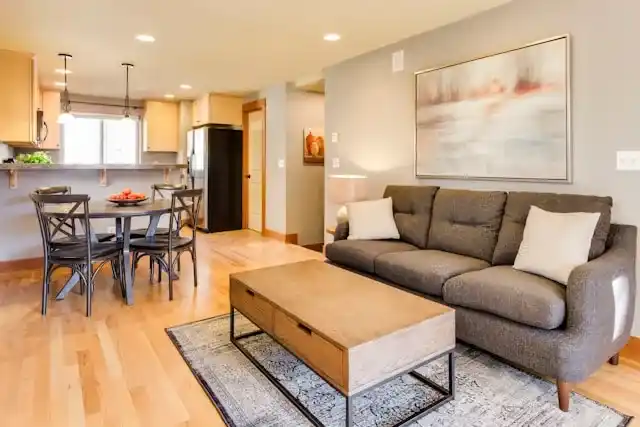
A narrow storage cabinet can also work as both furniture and organization. This gives you useful storage without filling the room with extra shelves and bins.
Before buying anything new ask yourself: Can this piece serve two purposes? That simple question can help you save both space and money.
8. Organize Kids’ Clothes With a Simple System
Kids can outgrow clothes quickly which makes a small closet feel crowded. Keep everyday clothes easy to reach and move seasonal or rarely worn pieces somewhere less accessible.
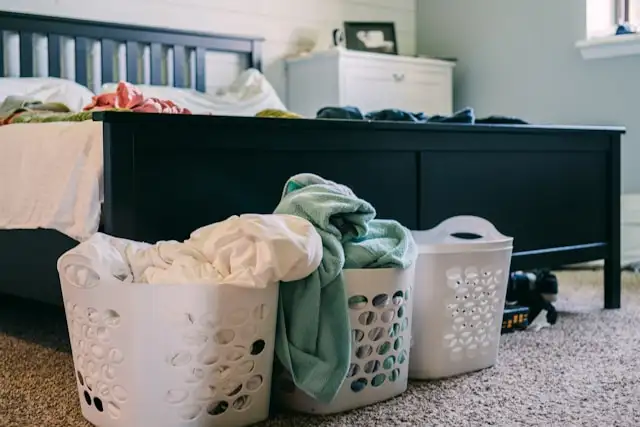
Have a separate spot for clothes your kids have outgrown. This keeps them from taking up valuable space and makes it easier to donate or pass them on.
9. Create a Small Homework and School-Supply Station
School papers, pencils and backpacks can quickly take over a small home. Give them one simple area instead of letting them spread across the kitchen table or living room.
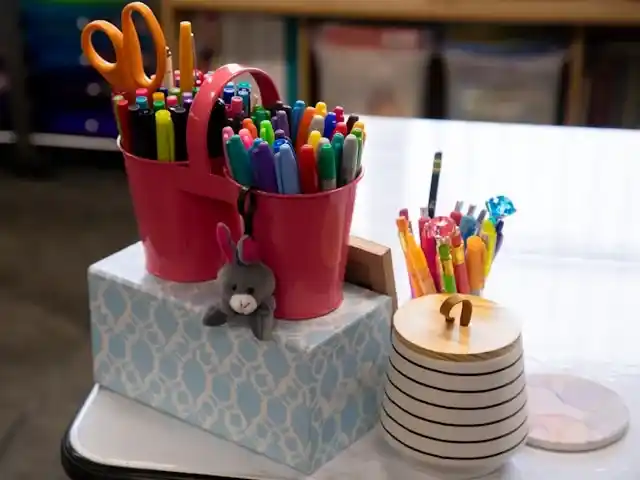
A small desk, wall shelf or rolling cart can hold notebooks, pencils and other supplies. Keep a folder nearby for permission slips, artwork and papers that need attention.
Make it easy for your kids to put their school things away after homework. A small system can save you from searching for missing papers during a busy morning.
10. Make Your Small Kitchen Work Harder
Small kitchens can get crowded quickly when counters and cabinets have to do too much. Use risers, drawer dividers and a lazy Susan to make better use of the space you already have.
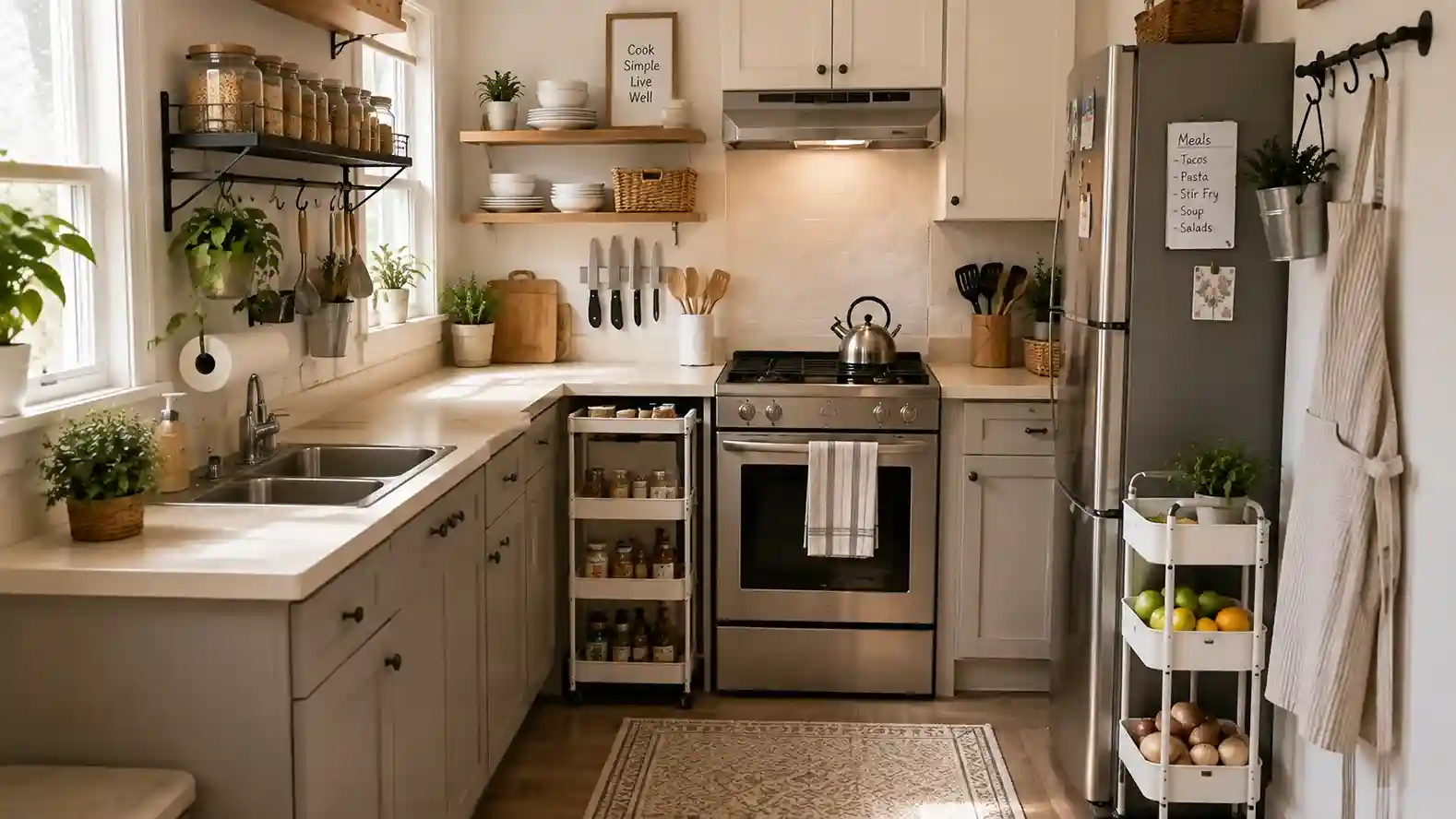
A rolling cart can add extra storage for pantry items or kitchen supplies without taking up much room. You can move it when you need more space.
Keep everyday items easy to reach and move rarely used appliances to higher shelves. The goal is a kitchen that saves you time rather than making meal prep harder.
11. Use Baskets and Bins to Control Everyday Clutter
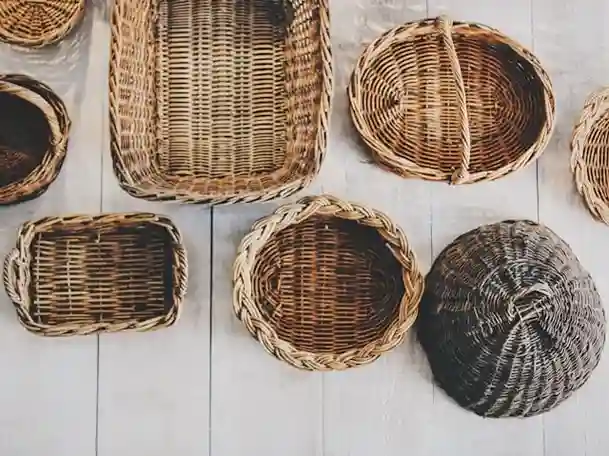
Baskets are useful for the things that move around your home every day. Use them for toys, blankets, shoes, towels or kids’ belongings that don’t have a permanent spot.
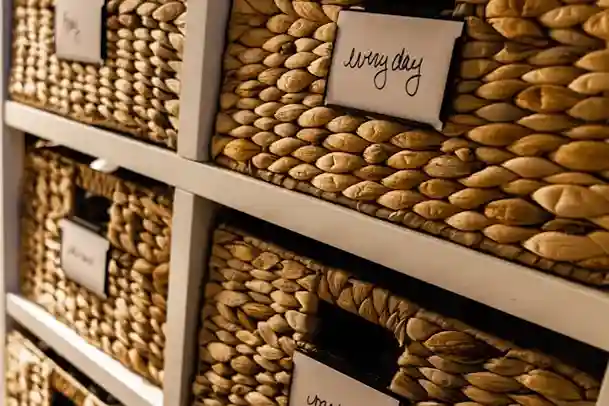
Choose a few simple containers instead of buying lots of different sizes. Matching baskets can also make a small room feel less visually cluttered.
Just remember that a basket isn’t a solution if everything gets thrown into it. Give each basket a clear purpose so your kids know what belongs inside.
12. Create a Simple Laundry System
Laundry can take over a small home quickly when clean and dirty clothes have nowhere to go. Use one or two hampers and keep them where your family actually changes clothes.
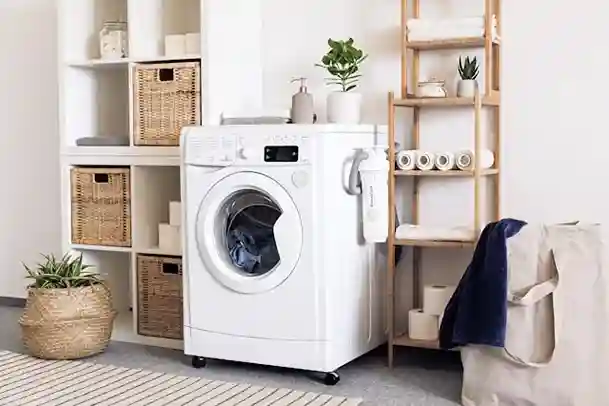
If space is tight, choose a slim hamper or a vertical laundry sorter. A small shelf above the washer can hold detergent and other laundry supplies.
13. Use a Simple Reset Routine
A small home can look messy quickly when everyone is busy. Instead of waiting for a big cleaning day spend 10–15 minutes resetting the areas that get the most use.
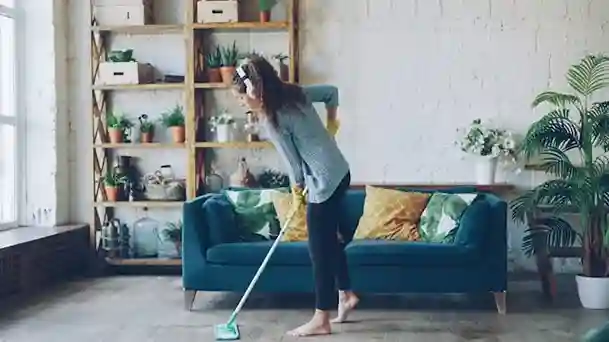
Have the kids put away toys and school items while you handle the kitchen and other high-traffic areas. Giving everyone a small job makes the routine easier to maintain.
You don’t need to reset the whole house every night. Focus on the spaces you’ll need most the next morning.
14. Organize Your Small Space on a Budget
You don’t need expensive organizers to make a small home work better. Before buying anything, look at what you already have and find ways to reuse baskets, boxes, jars or containers.
Thrift stores and dollar stores can also be useful for affordable storage. A few hooks or simple bins can solve a problem without adding another large piece of furniture.
Organize first and buy storage second. This helps you avoid spending money on containers you don’t actually need.
15. Make Organization Easy for Your Kids to Maintain
The best organization system is one your kids can actually follow. Keep everyday items at their height and use simple labels or pictures so they know where things belong.
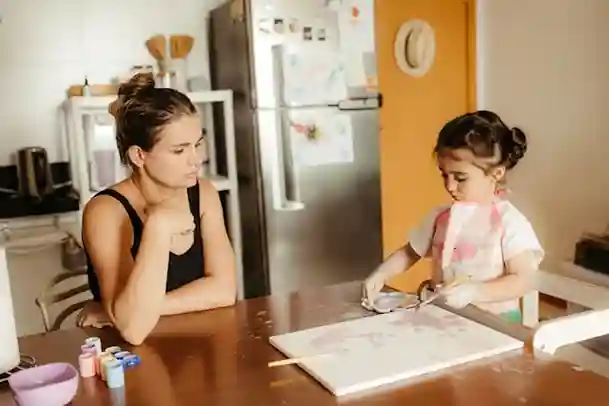
Give each child a few small responsibilities such as putting away toys, hanging up a backpack or placing dirty clothes in the hamper. These little habits can take some of the work off your plate.
Your home doesn’t have to stay perfectly organized all day. The goal is to make cleanup simple enough that everyone can help.
A Simple 15-Minute Daily Reset for Busy Single Moms
You don’t need to clean the whole house every night. Pick the areas that cause the most stress and give them a quick reset before bedtime.
Spend a few minutes putting away toys, clearing the kitchen counter and getting backpacks ready for the morning. Let your kids handle the jobs they can manage.
This small routine can make the next morning feel much calmer. The goal is not a spotless home. It’s a home that feels manageable.
Frequently Asked Questions
How do you organize a small house with kids?
Start with the areas that create the most daily clutter such as the entryway, living room and kitchen. Give frequently used items a simple home that your kids can reach and use themselves.
How can a single mom organize a small apartment on a budget?
Declutter before buying storage and use what you already have first. Hooks, baskets, reused containers and secondhand furniture can add useful storage without taking a large part of your budget.
How do you maximize storage in a small space?
Use vertical space, the backs of doors, under-bed areas and furniture with built-in storage. These overlooked spaces can add storage without taking away much floor space.