Cut Your Grocery Bill in Half? Real Numbers for Single Moms
Cutting your grocery bill in half sounds great. For most single moms, the math says it usually doesn’t work.Here’s why. USDA’s Thrifty Food Plan is the lowest-cost of its four food plans. It runs about $685 a month for a mom and two young kids.
To cut your bill in half and still land on that number, you’d have to be spending about $1,370 a month right now. Most of us aren’t. So the honest goal is different. Find your real number then cut what you can. This article shows how with no coupon apps.
Can You Really Cut Your Grocery Bill in Half?
The USDA publishes monthly food costs at four levels. I ran the July 2026 numbers for one mom (age 20 to 50) with kids aged 4 to 5 and 6 to 8. That’s a three-person household so USDA adds 5%.
| USDA plan | Monthly cost | Weekly cost |
|---|---|---|
| Thrifty | $685 | $158 |
| Low-Cost | $754 | $174 |
| Moderate | $907 | $209 |
| Liberal | $1,108 | $256 |
Going from Moderate to Thrifty saves about 25%. Going from Liberal to Thrifty saves about 38%.
Now try the half test. Double each number and that’s what you’d need to be spending today for a true 50% cut that still lands on the plan.
| Cut in half to reach | You’d need to spend now |
|---|---|
| Thrifty ($685) | about $1,370 |
| Low-Cost ($754) | about $1,508 |
| Moderate ($907) | about $1,815 |
Going below Thrifty is possible, but it gets hard fast. It usually means cutting fruit, vegetables or protein.
If your bill is above those numbers half is realistic. Check whether takeout, household items and diapers are hiding inside your “groceries” total. If you’re below them aim for 20% to 30% first. That’s still hundreds of dollars a year.
Example: A Nashville Mom Going From $1,200 to $850
Here’s how the math plays out. Picture a mom in Nashville, Tennessee, with two kids aged 5 and 7.
This is an example not a real family. I built it from the USDA numbers above so you can see how a “half” goal plays out in real life.
| Category | Before | After |
|---|---|---|
| Food at the grocery store | $900 | $700 |
| Takeout and quick stops | $200 | $80 |
| Household items | $100 | $70 |
| Total | $1,200 | $850 |
That’s a 29% cut on the total or $350 a month. On food alone it’s a 22% cut.
Half would have meant $600 total. Half of the food line would be $450 far below USDA’s $685 Thrifty number. So halving wasn’t realistic here and $850 was.
Here’s where the $350 came from:
- Store brand staples: about $110 less
- Dinners planned from what’s already home: about $50 less
- One main trip with a list: about $40 less
- Fewer takeout and quick stops: about $120 less
- Store brand household items: about $30 less
Tennessee adds one more reason to trim. According to the Tennessee Department of Revenue groceries carry a 4% state sales tax plus a local rate of 1.5% to 2.75%. Non-food items like cleaning supplies are generally taxed at the full 7% state rate. Every dollar you don’t spend also saves that tax.
Step 1: Find Your Real Starting Number
Add up four weeks of grocery receipts. Include the quick stops, the gas station milk and the school snack runs. Split the total into food and non-food. Cleaning supplies and toiletries are real costs, but they aren’t food.
Then compare your food total to the tables above. This tells you if you’re overspending or already close to the floor.
If you haven’t built a one-income budget yet our guide to budgeting on one income shows how to set a grocery line that fits your take-home pay.
Habit 1: Plan Around What You Already Own
USDA’s Economic Research Service estimates that 31% of the U.S. food supply at the retail and consumer levels went uneaten in 2010. Consumer-level losses, meaning homes and restaurants, made up 21% of that. That’s the latest full estimate I found so treat it as a rough guide.
Food waste costs more when there’s one paycheck. You also don’t have a second adult to finish the leftovers or notice what’s about to spoil.
Before you write a list, open the fridge, freezer, and pantry. Plan three or four dinners around what’s already there. Then build the list from those meals only. If it’s not on the list it stays on the shelf.
Fridge setup matters too. Our fridge organization ideas show how to keep food visible so it gets eaten before it spoils.
Habit 2: Switch Staples to Store Brand
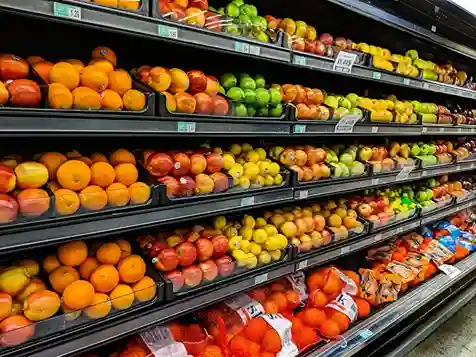
This is the biggest single lever, and it needs no app or clipping. Consumer Reports says store brands typically cost 25% to 30% less than name brands.
USDA’s Economic Research Service found a similar gap. In its study of two large U.S. chains, private label products averaged about 23% cheaper.Start with the boring stuff. Pasta, rice, canned beans, frozen vegetables, flour, milk and eggs are easy swaps that kids rarely notice.
Keep name brand only for the two or three items your family truly can’t accept. Then test one swap per week instead of changing everything at once.
Habit 3: Set a Weekly Number and Shop Once
Take the monthly target from the table above and divide it by 4.33 to get a weekly amount. For a three-person household aiming at the Low-Cost plan that’s about $174.
Pick one main shopping day. Make one small top-up trip at most, for milk, bread or fruit.
Fewer trips means fewer chances to grab extras. It also saves gas and time, which matters when you’re solo parenting.Use the same store when you can. You’ll learn the prices so you’ll spot a real deal instead of guessing.
Cheap Meals That Stretch a Week
Batch cooking helps most on the nights you’re tired. Cook once, eat twice.
Here are staples that stretch far for a mom and two kids:
- Beans and lentils: cheap protein for chili, soups, and tacos. One pot covers two dinners.
- Eggs: breakfast, dinner, and lunch. They work in fried rice, quesadillas, and frittatas.
- Whole chicken: roast it once, use the meat for two meals, and boil the bones for soup.
- Frozen vegetables: they keep for months, so nothing spoils before you use it.
For breakfasts you can make ahead try our meal prep breakfast burritos. They freeze well and cut down on rushed morning spending.
Where I Wouldn’t Cut
Don’t drop fruit, vegetables, or protein just to hit a number. Those are the foods that keep kids full and feeling well.
If a savings plan leaves everyone hungry by 4 p.m., you’ll spend the difference on snacks and takeout. The goal is a lower cost per meal not fewer meals.
Help That Can Cover Part of the Bill
If your income is tight check SNAP. From October 1, 2026, the maximum monthly benefit for a household of three is $808 up from $785. Your actual amount depends on your income and deductions.
That’s the maximum. Most households get less because benefits shrink as income rises.
In the UK, the NHS Healthy Start scheme gives £4.65 a week for each child aged 1 to 4 and £9.30 a week for babies under 1. You usually qualify if you get Universal Credit and your family’s take-home pay is £408 a month or less.
Common Questions
How much should a single mom spend on groceries a month?
For a mom with kids aged 4 to 5 and 6 to 8 USDA’s July 2026 plans run from about $685 (Thrifty) to $1,108 (Liberal). Older kids cost more so your number will shift as they grow.
Can I really cut my grocery bill in half?
Only if you’re spending about double a plan’s cost today. Use the half test above to check. If you’re not aim for 20% to 30%.
What’s the fastest way to lower my grocery bill?
Swap staples to store brand. It’s the biggest single change at typically 25% to 30% less per item.
Start This Week
- Add up four weeks of receipts to find your real number.
- Pick a weekly target from the USDA table above.
- Swap five staples to store brand.
- Plan three dinners from what’s already in the house.
- Shop once with a list.
You don’t need to do everything at once. One swap and one list will move the number.
If you want a place to track it our free budget planner printable has a spot for groceries.